Emergency Dental Care
Root Planning and Scaling (Deep Cleaning)

A deep cleaning technique called scaling and root planing eliminates germs, tartar, and plaque from beneath the gum line. It lessens irritation and helps gums reattach by smoothing the roots of teeth.
In order to control early to moderate gum disease and stop more bone or tissue damage, this treatment is crucial.
Periodontal Maintenance

It regulates bacterial accumulation, keeps an eye on gum health, and stops disease from recurring when done every three to four months.
Long-term bone and tooth support are safeguarded by this continuous treatment, which also helps to maintain stable gums.
Gum Laser Therapy

With little discomfort, laser gum therapy removes bacteria and diseased tissue using cutting-edge laser technology. It keeps healthy gum tissue intact, speeds up healing, and lessens bleeding.
This minimally invasive procedure promotes healthier, more stable gums with a shorter recovery period while effectively managing gum disease.
Gum Graft Procedures
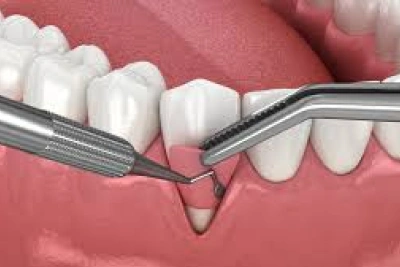
Gum graft surgery adds healthy tissue to exposed tooth roots in order to rebuild receding gums. It enhances the overall appearance of a smile while shielding teeth against sensitivity, decay, and more recession.
Gum coverage is strengthened and long-term oral health and stability are improved by this safe and efficient technique.
Grafting of Bone
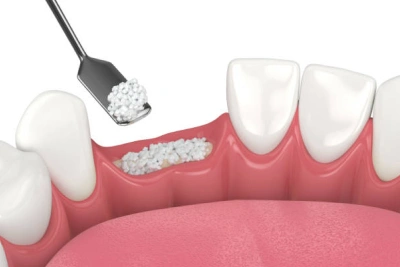
Areas of the jawbone weakened by gum disease, infection, or tooth loss are rebuilt with bone grafting. It supports face structure, replenishes bone volume, and gets the mouth ready for dental implants.
The process enhances the basis for long-term dental health, increases mouth stability, and helps stop more bone loss.
Reduction of Periodontal Pockets

Deep gum pockets that are inaccessible during regular cleanings might be cleaned with periodontal pocket reduction surgery. In order to lessen pocket depth, it eliminates germs, smoothes bone surfaces, and replaces gums.
This surgery protects your teeth’s supporting structures and helps stop the advancement of disease.
Relief from Toothaches

The goal of toothache relief is to find the source of sudden pain, whether it be from gum disease, decay, an infection, or a fracture, and to provide quick solace. Medication, cleaning, or restoration procedures may be part of the treatment.
Until a comprehensive treatment plan is finished, a prompt evaluation reduces discomfort, avoids problems, and safeguards your dental health.
Repairing Broken or Chipped Teeth
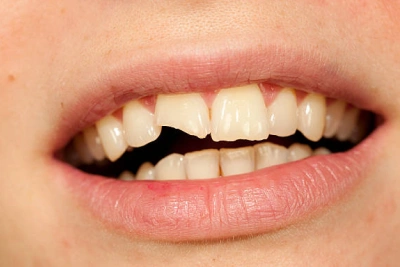
Repairing a broken or chipped tooth using bonding, fillings, crowns, or veneers restores the tooth’s appearance and functionality. Sensitivity, infection, and more harm are avoided with prompt management.
Treatment smoothes rough edges, replaces lost structure, and shields the tooth against long-term issues, regardless of how bad the condition is.
Treatment for Knocked-Out Teeth
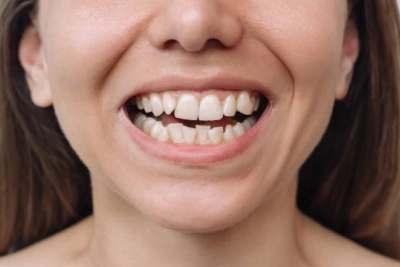
In order to save a knocked-out tooth, prompt action is necessary. If seen within 30 to 60 minutes, dentists can frequently stabilize and reinsert it. The likelihood of a successful reattachment is increased by prompt care.
Preserving the native tooth, safeguarding the surrounding tissues, and regaining function are the objectives.
Root Canal Emergency
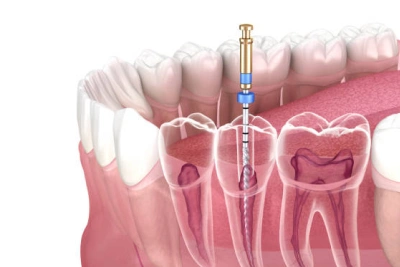
To treat excruciating pain and swelling, an emergency root canal removes inflamed or diseased pulp. In order to stop additional illness and avoid extraction, it cleans and closes the tooth.
This process restores normal chewing and function while offering quick relief and protecting the native tooth.
Temporary Repairs
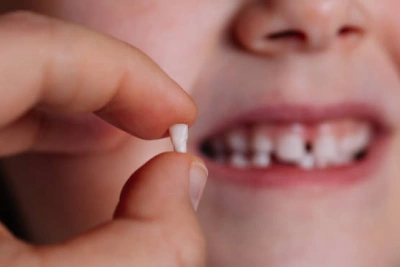
Until permanent work is finished, teeth that have been injured or treated are protected by temporary restorations. They insulate exposed regions from bacteria, lessen discomfort, and avoid sensitivity.
During the course of treatment, your smile will remain secure and comfortable thanks to these temporary fixes that preserve both beauty and functionality.
Care for Dental Trauma

Accidents, falls, and sports-related injuries are treated with dental trauma care. It involves treating jaw issues, soft tissue injuries, displaced teeth, and fractures.
Prompt care reduces long-term harm, eases discomfort, and reinstates oral function. Trauma care guarantees appropriate recovery and safeguards general dental health.