Oral Surgery in Zirakpur – SmileWide Dental Clinic
Removal of Wisdom Teeth

Third molars that are impacted, diseased, or causing discomfort and crowding must be extracted in order to remove wisdom teeth. Future problems like swelling, decay, cysts, and gum problems are avoided by the surgery. The procedure is rapid, painless, and promotes long-term oral health and jaw comfort thanks to contemporary methods and anesthesia.
Dental Implant Surgery
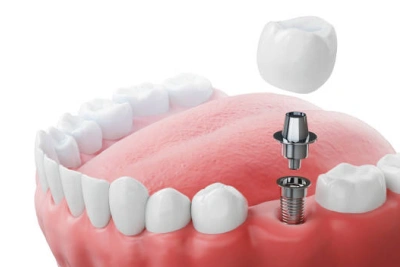
A titanium post is inserted into the jawbone during dental implant surgery to replace lost tooth roots. A denture, bridge, or crown is supported by this sturdy base. In addition to preserving bone health and restoring natural function, the surgery offers a long-term, stable, and aesthetically pleasing option for tooth loss.
Sinus Lifts and Bone Grafting
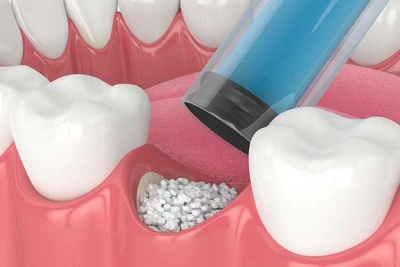
Areas of the jawbone that have thinned as a result of tooth loss or infection are strengthened and rebuilt through bone grafting and sinus lifts. These processes establish the solid base required for dental implants to be successful. They enhance general oral structure and function, guarantee implant life, and restore bone volume.
Frenectomy
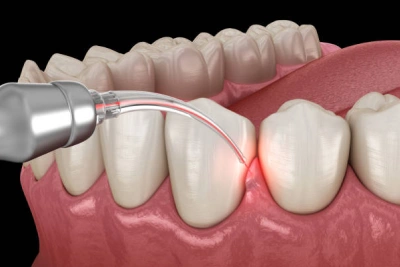
An excessively tight frenum—the tissue that connects the lips, cheeks, or tongue—can be removed or reshaped with a frenectomy, a minor surgical surgery. It prevents speech problems or spacing problems, increases movement, and lessens discomfort. The procedure is rapid, safe, and particularly helpful for elders and children with limited mobility.
Biopsies
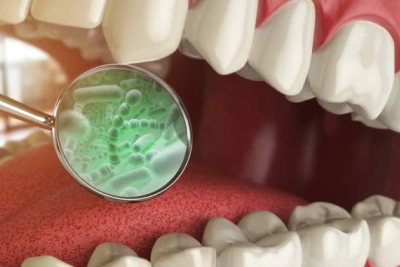
In order to diagnose underlying diseases, dental biopsies entail taking a little sample of tissue from worrisome oral lesions, ulcers, or growths. This process aids in the detection of benign alterations, infections, and early indicators of oral cancer. Biopsies are crucial for precise diagnosis, which directs prompt and suitable treatment for improved health outcomes.